
20 years of experience
210+ successful projects
ISO 27001 certified

Very good



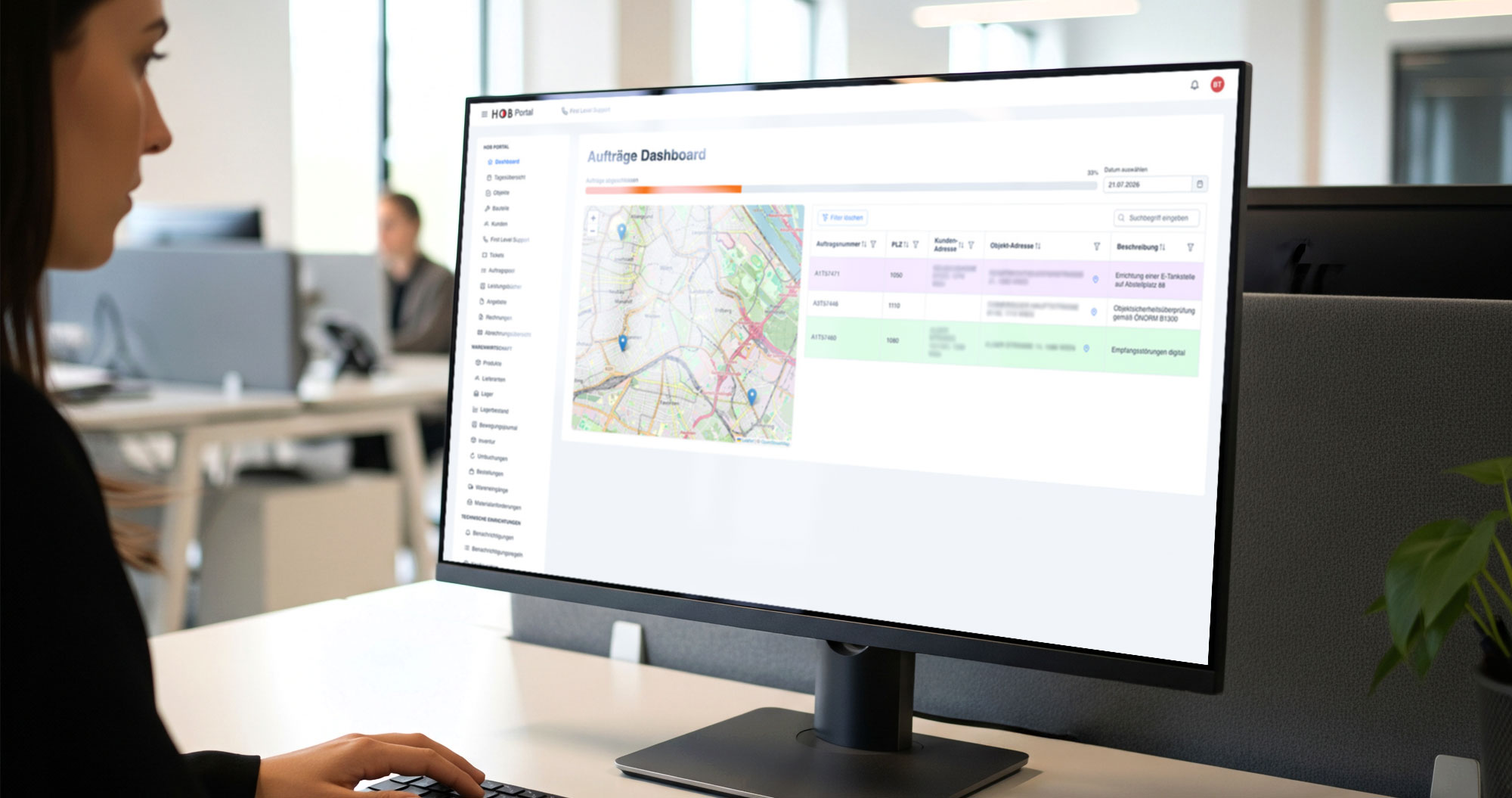
HOB – Hausservice Objektbewirtschaftungs GmbH employs around 60 people and combines comprehensive technical expertise with a commitment to developing and sustainably establishing new, affordable innovations for multi-story residential buildings.
The HOB portal, which has grown over many years, was a central component of daily operations. Every step along the process chain—from ticket intake to billing—was already being handled digitally. However, the technical foundation had become outdated and increasingly complex due to numerous extensions.

Florian Richter
At Objectbay, you don't feel like just a number. We were assigned a team that took great care of us from day one.

The HOB portal, which had evolved over many years, was a central component of our daily operations. Every step along the process chain—from ticket intake to billing—was already being handled digitally. However, the technical foundation had become outdated and increasingly complex due to numerous extensions. Over time, the following challenges in particular became apparent:
New requirements and functions could only be implemented in the existing system with increasing effort. To remain flexible in the future, a modern, modular technical foundation was required.
Higher security and data protection requirements collided with a significantly expanded database containing thousands of customers as well as numerous interfaces to the parent company and suppliers.
The code, which had evolved over many years, was technically outdated; sustainable further development on the existing foundation was no longer feasible.
HOB did not want to simply copy the existing portal, but rather develop it from the ground up so that it meets modern requirements and provides a sustainable, flexibly expandable foundation for the long term. Specifically, this meant:
From properties, facilities, and components to tickets, work orders, quotes, and service logs, as well as materials management—including inventory, goods receipt, stock transfers, and stocktaking—right through to final billing. The system is also integrated with the parent company's external order processing system, allowing for the automated exchange of orders, service logs, invoices, and credit notes.
A core feature of the new portal is the dynamic component concept: every facility is broken down into components, to which detailed technical equipment—including products, serial numbers, and locations—is assigned. This provides tangible day-to-day benefits:
Technicians can see in advance which technical systems and devices are installed on-site and where they are located. This ensures faster and more comprehensive information exchange.
Employees can create components and technical equipment and feed information back into the portal while on-site. This data is then available for future service calls and for the back office.
Quotes can be generated based on stored data without always requiring an additional site visit.
First-level support has immediate access to the entire history of calls, tickets, information, and service interventions.

The stack is intentionally designed for longevity, maintainability, and operational reliability. Practical features streamline daily field operations: map views, QR code scanning, and digital signatures directly on work orders, alongside automated PDF generation and Excel reporting. Automated testing, code quality checks, and a standardized deployment pipeline ensure high, consistent quality from development through to the production environment.
Equally critical in selecting a software development partner was the requirement that all code and data remain the exclusive property of HOB. No licensing models, no vendor lock-in.

Looking back, what HOB highlights most is the partnership on equal terms. Trust was also the deciding factor during the selection process. HOB obtained several quotes and evaluated off-the-shelf standard products as well as international providers. The large number of business-critical interfaces ruled out standard software, while data protection concerns and the handling of sensitive legacy data—especially during the migration phase—spoke against offshore options.

Does the project demand exceed internal capacity, or is there a lack of expertise within the team? We offer experienced, certified Scrum development teams

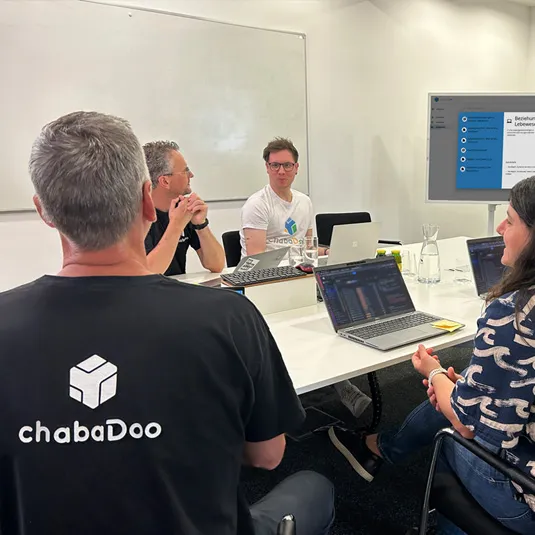
The Upper Austrian start-up is developing a digital learning platform in collaboration with Objectbay. The comprehensive learning management system offers practical learning content.

Modern technologies, better quality or move to the cloud? We modernize your legacy and drive the digitization of your company.
Get in touch
